In Conversation: Tina Tam on Conserving Tower Hill
Associate Principal and Architect, Lovell Chen
- News
- Community heritage
- Cultural value
- Public space
- Sustainability
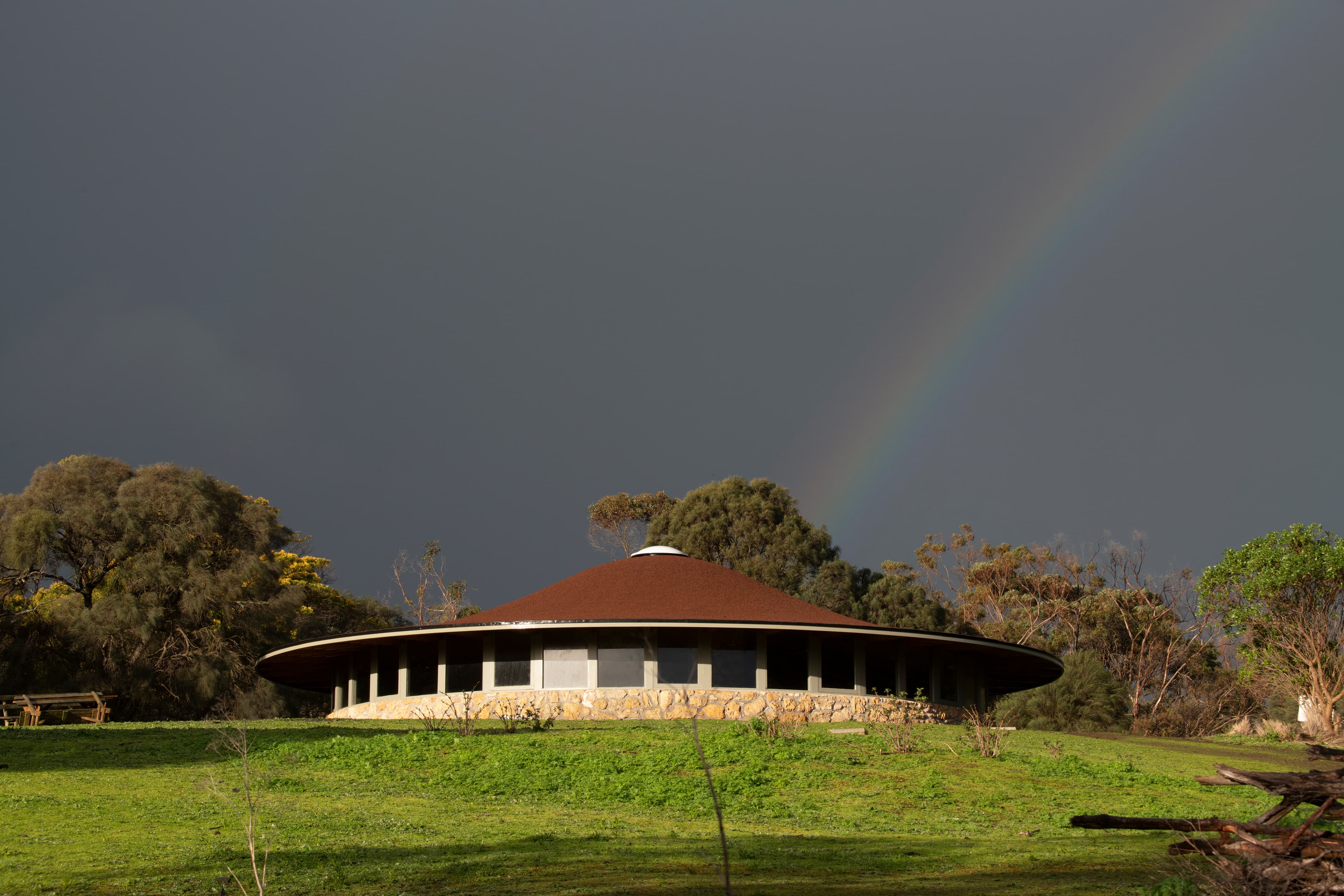
Lovell Chen, an interdisciplinary practice of architects and heritage consultants, were commissioned by Parks Victoria to prepare a Conservation Management Plan for the Tower Hill State Game Reserve (H2114). This guided their work in the conservation of the Robin Boyd designed Visitor Centre (c. 1971) and adaptation of the Amenities Block.
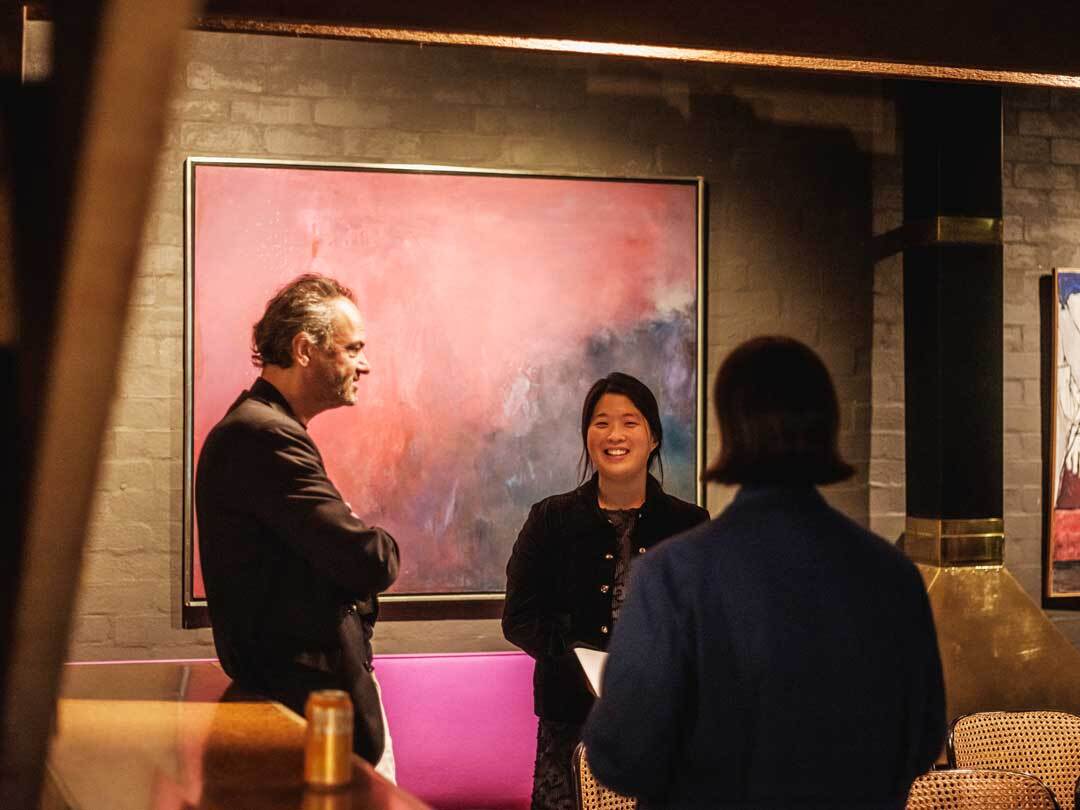
We interviewed Tina Tam, Associate Principal and Architect at Lovell Chen, about her role and experiences during this project.
Tower Hill State Game Reserve is protected for its aesthetic, historic, scientific, social and architectural significance to Victoria. How do you approach projects like this when there is so much to consider?
"Tower Hill is special because it has been nurtured by many different community groups across many generations. The Maar peoples have been here for over 37,000 years and witnessed the eruption that formed this volcanic landscape. After the devastating deforestation which began during the 1830s, there were the local advocates and Fisheries and Wildlife Department staff who initiated the reforestation project in the 1950s, planting over 250,000 trees which continues to this day. The same community commissioned Robin Boyd to design the Visitor Centre and partly funded its construction.
Recently, the Registered Aboriginal Party Eastern Maar Aboriginal Corporation (EMAC) and Parks Victoria have established a partnership to be co-stewards of the reserve into the future. The legacy of Robin Boyd was protected by the Robin Boyd expert panel, who provided us with advice throughout the process."
All this grounds us and provides a strong purpose for our role – making sure what we do honours the contributions of the people who have cared for Tower Hill and supports EMAC and Parks Victoria into the future."
Other than existing heritage protections, why was it important to protect and adapt the existing buildings at Tower Hill rather than replace them with something entirely new?
"While the Robin Boyd designed Visitor Centre is protected by statutory heritage controls recognising its architectural significance, the Amenities Block was not specifically listed and this opened a possibility that it could be demolished. In our research and discovery process while preparing the Conservation Management Plan, we learnt many stories about this building that challenged the existing assessment of its role and importance.
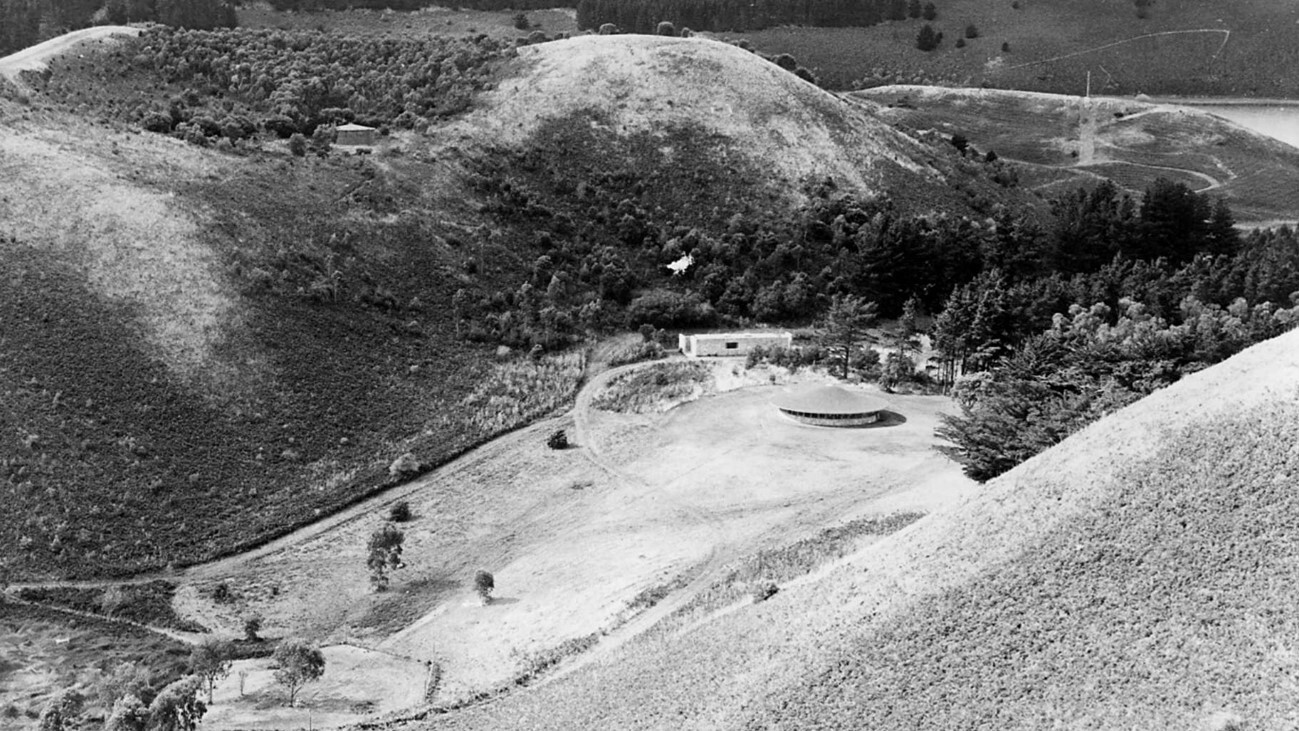
Little known is the amenities block was responsible for ‘taking the load’ of the supporting programme (toilets, offices, storage) off the Visitor Centre, so that the latter could remain as a pure circular volume as Robin Boyd intended rather than being internally subdivided into spaces. It is remarkable that the Public Works Department stepped in at the crucial moment to commission this building and we wanted to honour this gesture by keeping the Amenities Block and preserving the relationship between the two buildings. We see the advocacy to keep this building as one of the most important parts of this project."
How do you strike a balance between protecting heritage and making sure the site still works for future visitors?
"In our restoration of the Visitor Centre, our work has been driven by our understanding of Robin Boyd’s design intent and what was required to make the building suitable for current use. We were acutely aware of our responsibility to maintain the clarity of this pure form, its innate connection to place and its patina of age.
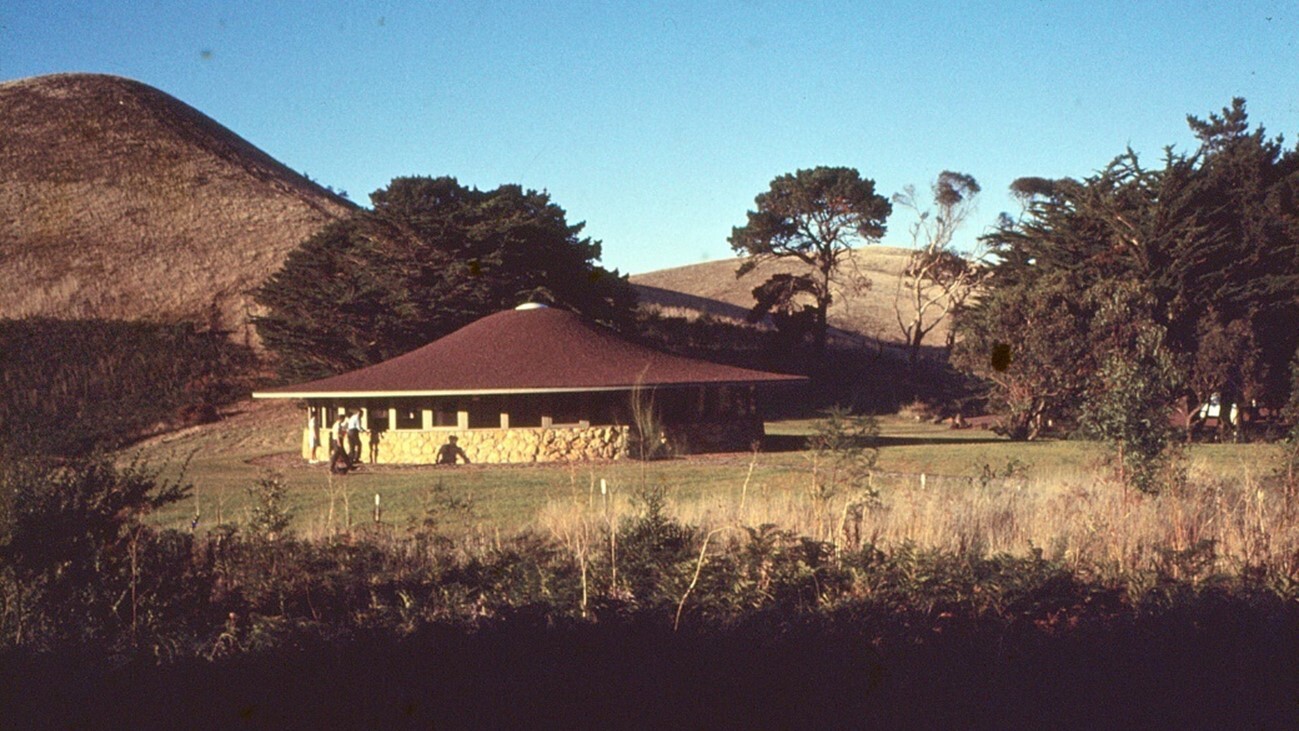
Firstly, the damaged fabric needed to be addressed to extend the lifespan of the building. There was water ingress, the roofing reaching end of life and rotten timberwork. Our research helped us understand the composition of the roof and sequence of construction, so that we could find a compatible system to lay on top. To avoid the invasive process of removing asbestos and damaging the brittle timber lining boards, we encapsulated the existing bituminous membrane with the new system and cast in the scoria sourced from the nearby Mortlake Quarry, to maintain its connection to the place."
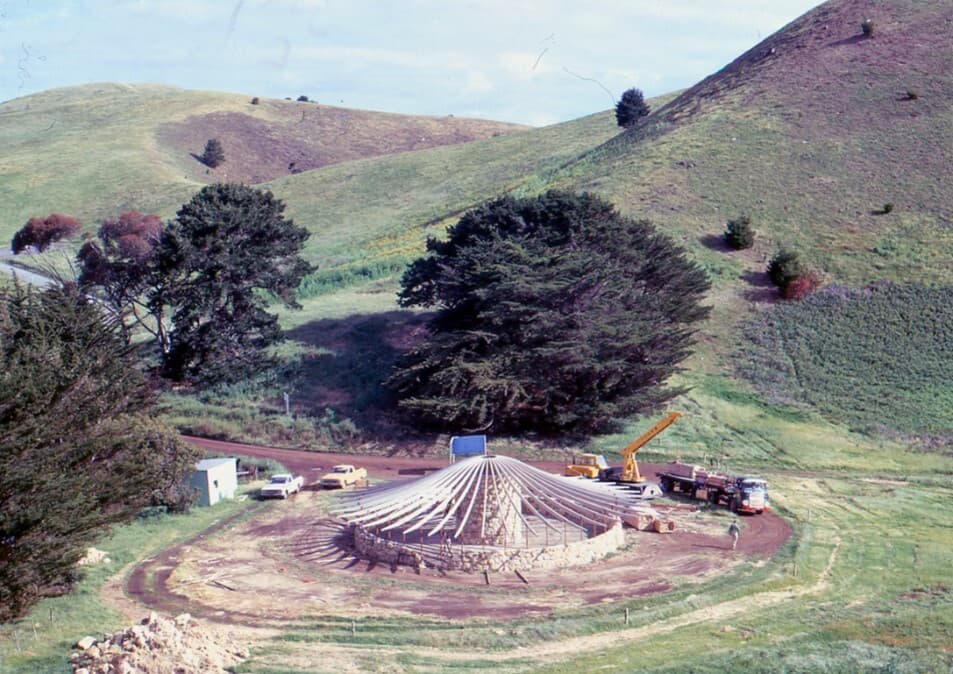
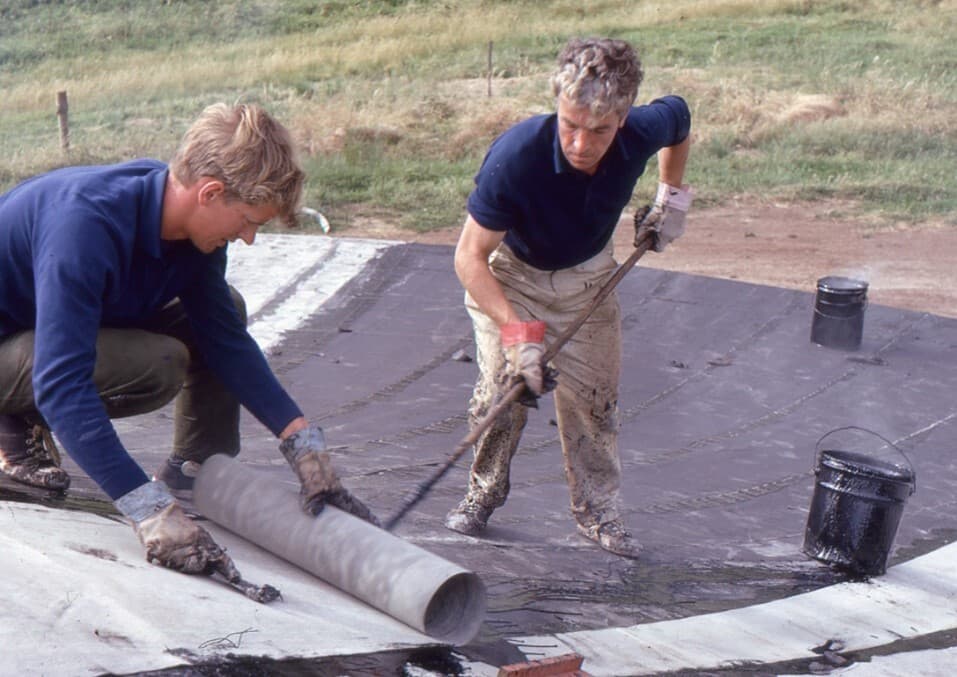
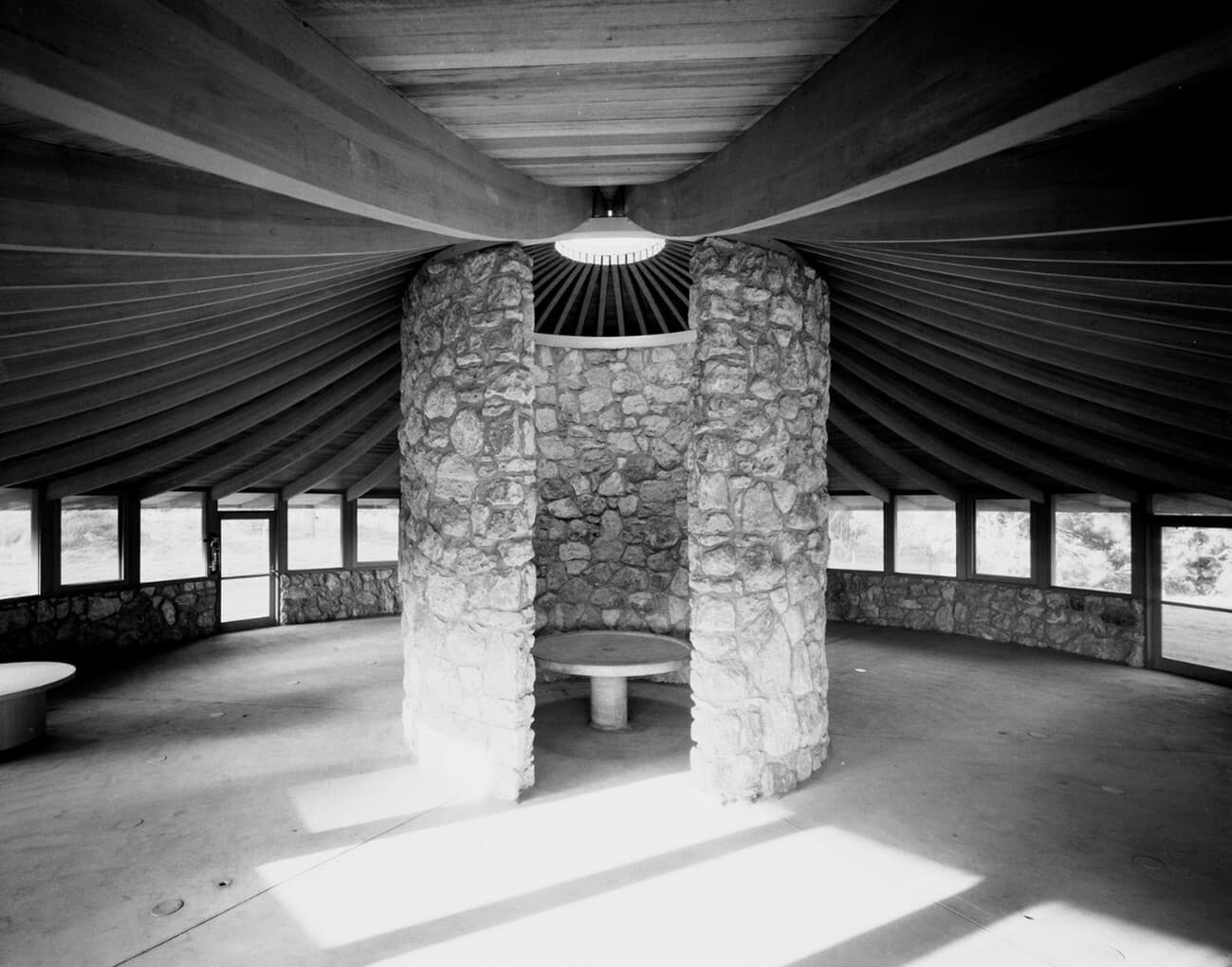

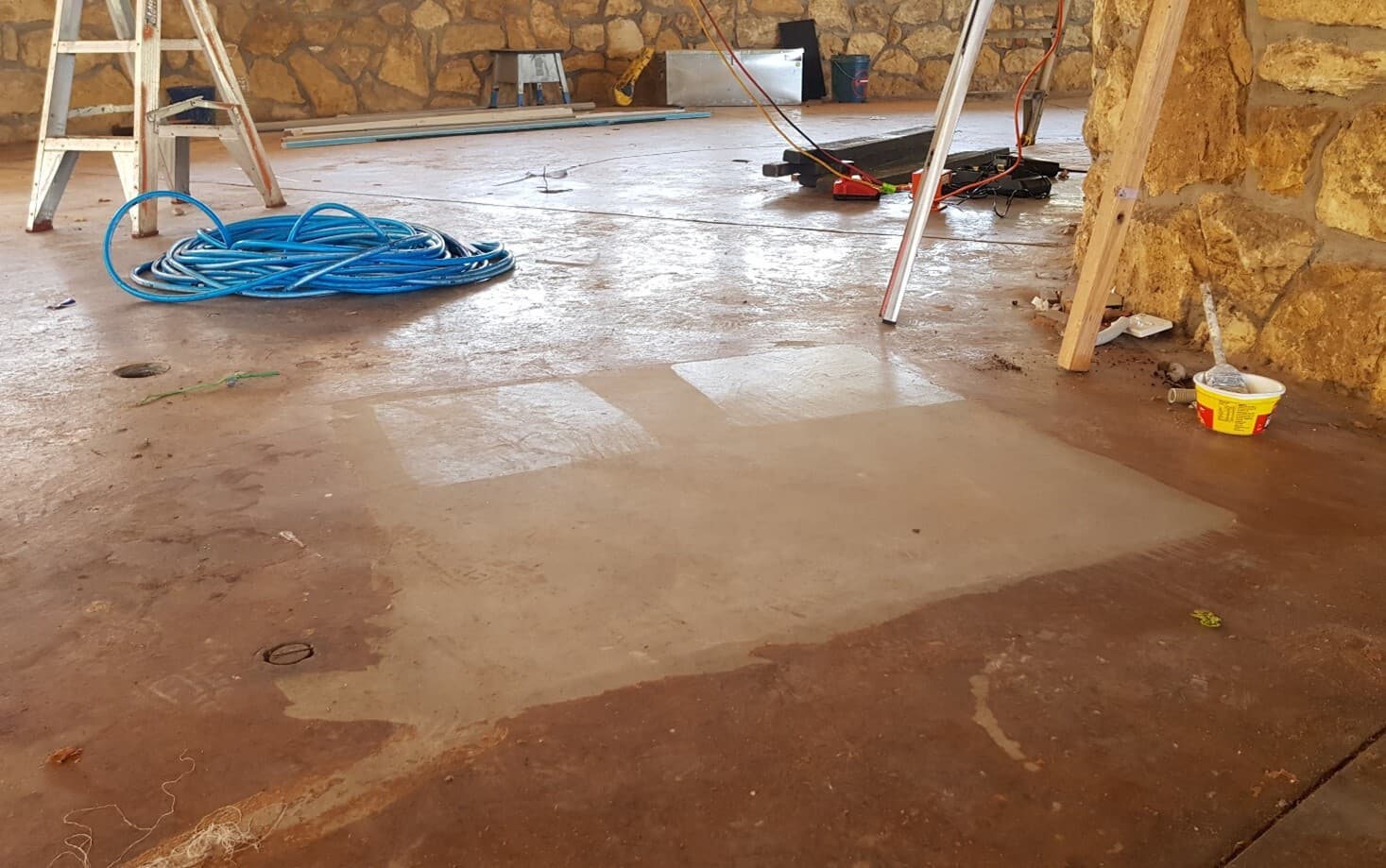
Image 1 of 0Tower Hill roof construction 1969. Source Parks Victoria
"Internally, the process was about removing layers to reveal the original architecture and its honest expression of materials. We removed all the light fittings and cabling from the ceilings, stripped away the tinted sealer to the concrete floor and removed the paint to the glulam beams (an emerging technology of the time). The concrete slab was protected by a penetrating sealer to maintain its patina.
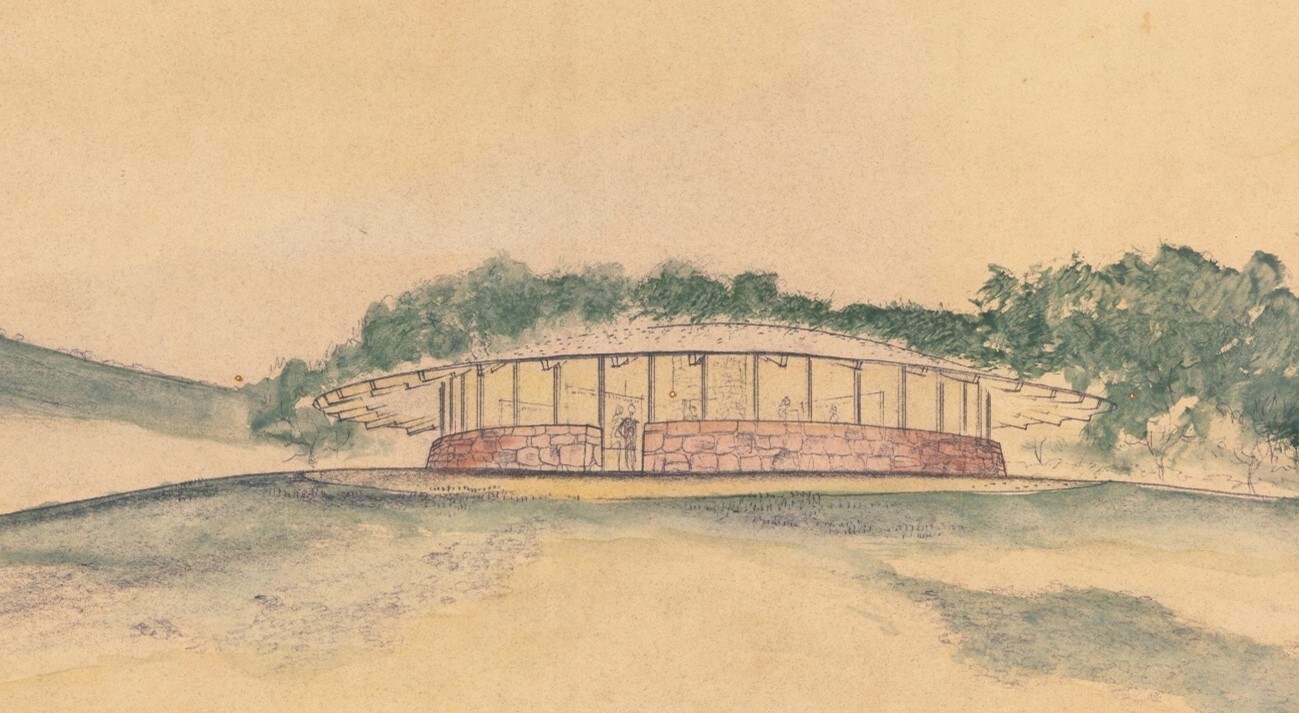
To support future use as a flexible exhibition space, we needed to provide lighting and power. Here, we took cues from Robin Boyd and developed a lighting design inspired by the uplighting effect evident in his early concept sketches. We also tested the existing wiring within the original floor boxes, so that we could retain these and avoid cutting into the slab to install new ones."
Tower Hill has deep Aboriginal cultural significance; how did working with Traditional Owners shape the approach to conservation and design on this project?
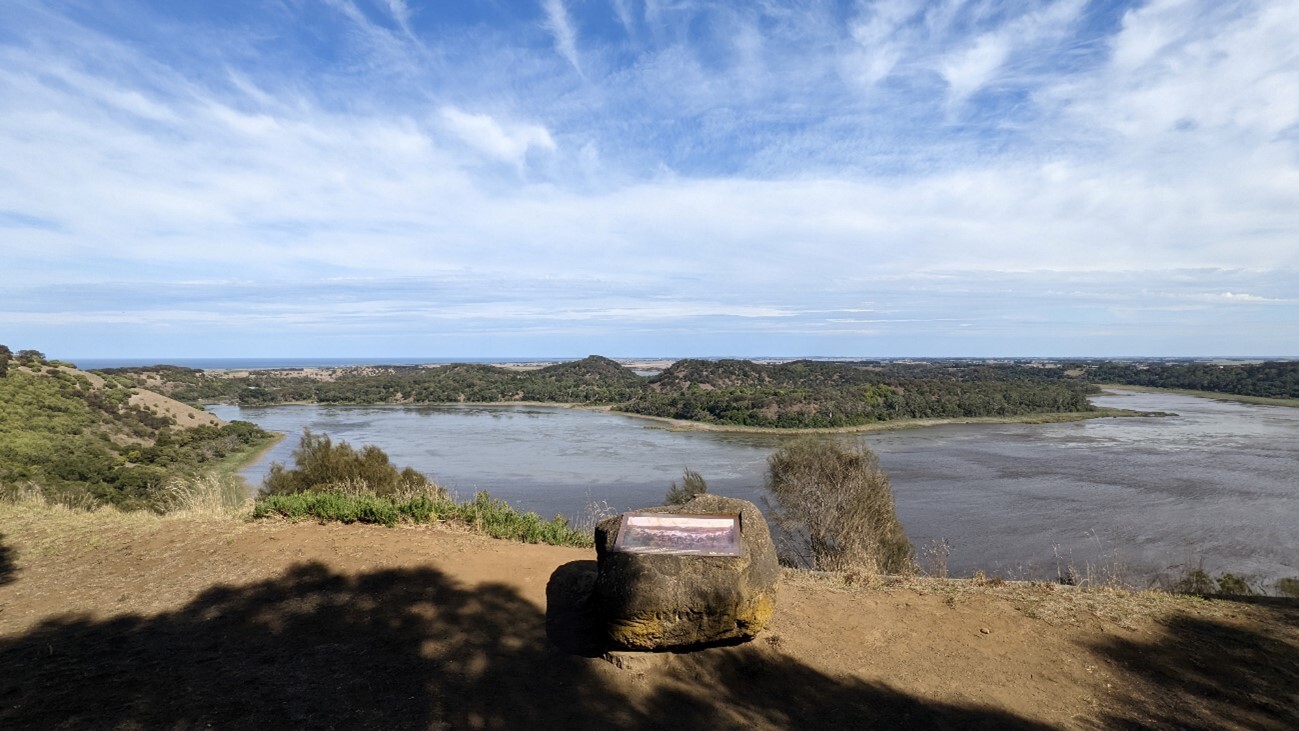
"The invitation to collaborate with EMAC was an inspirational and mind-opening experience. EMAC generously guided us on a Walk on Country and as we stood at the crater rim overlooking the lake, they shared stories of their deep connection to the land – how the place has been an abundant food bowl that sustains them and how they use traps to catch eel from the lake. Often, our involvement with heritage buildings in Australia spans over hundreds of years, but hearing the Maar people’s stories which span tens of thousands of years completely recalibrated my perspective of time.
This engagement also informed one of the central tenets of the project – reinforcing EMAC’s presence on Country. The eel trap, as we learned is an important source of food and identity and we needed to find a meaningful place for this gesture. Throughout the design process, an eel trap sculpture was proposed in various locations, but in the end the right place for it became evident – in the central model space of the Visitor Centre, the symbolic heart of the place."
What is your favourite material aspect of Tower Hill Wildlife Reserve?
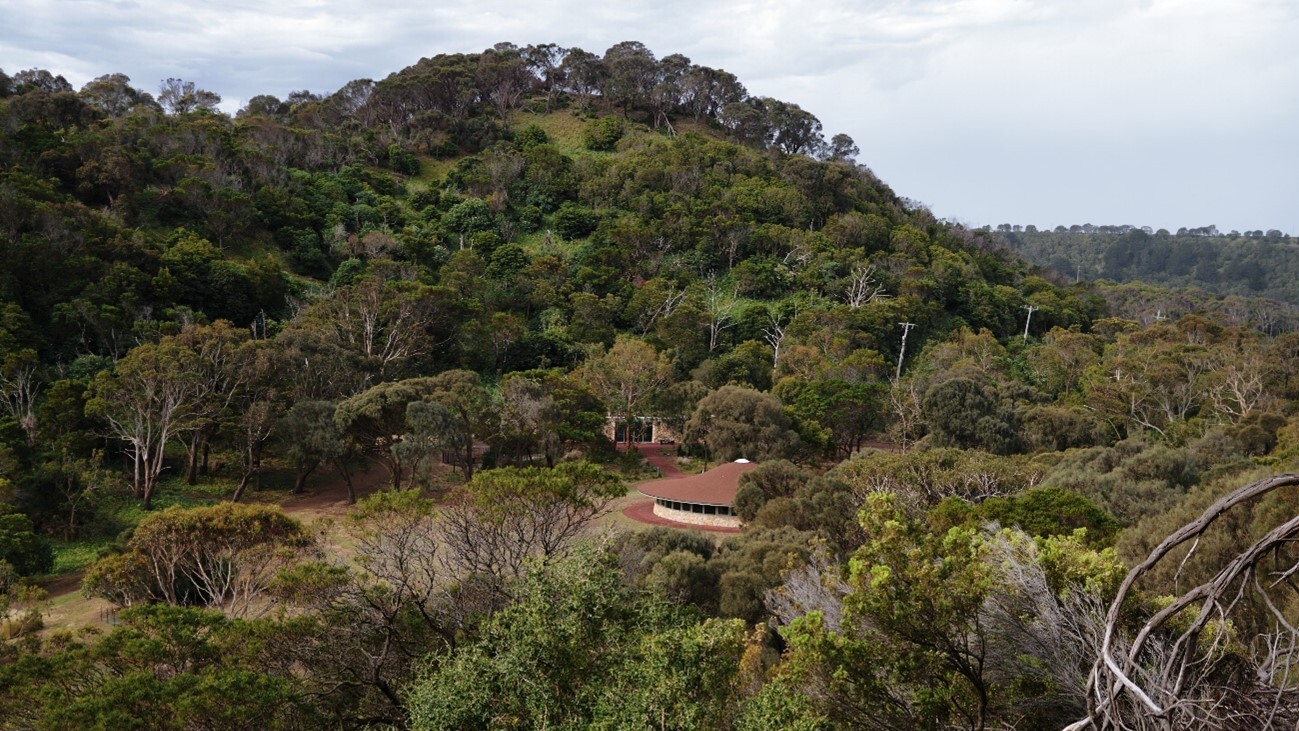
"The Visitor Centre roof – its expressive structure, the poetic way it emulates the shape of the volcanic cones and the way it is grounded to the place with its covering of local volcanic stone (scoria) – is the epitome of architecture!"
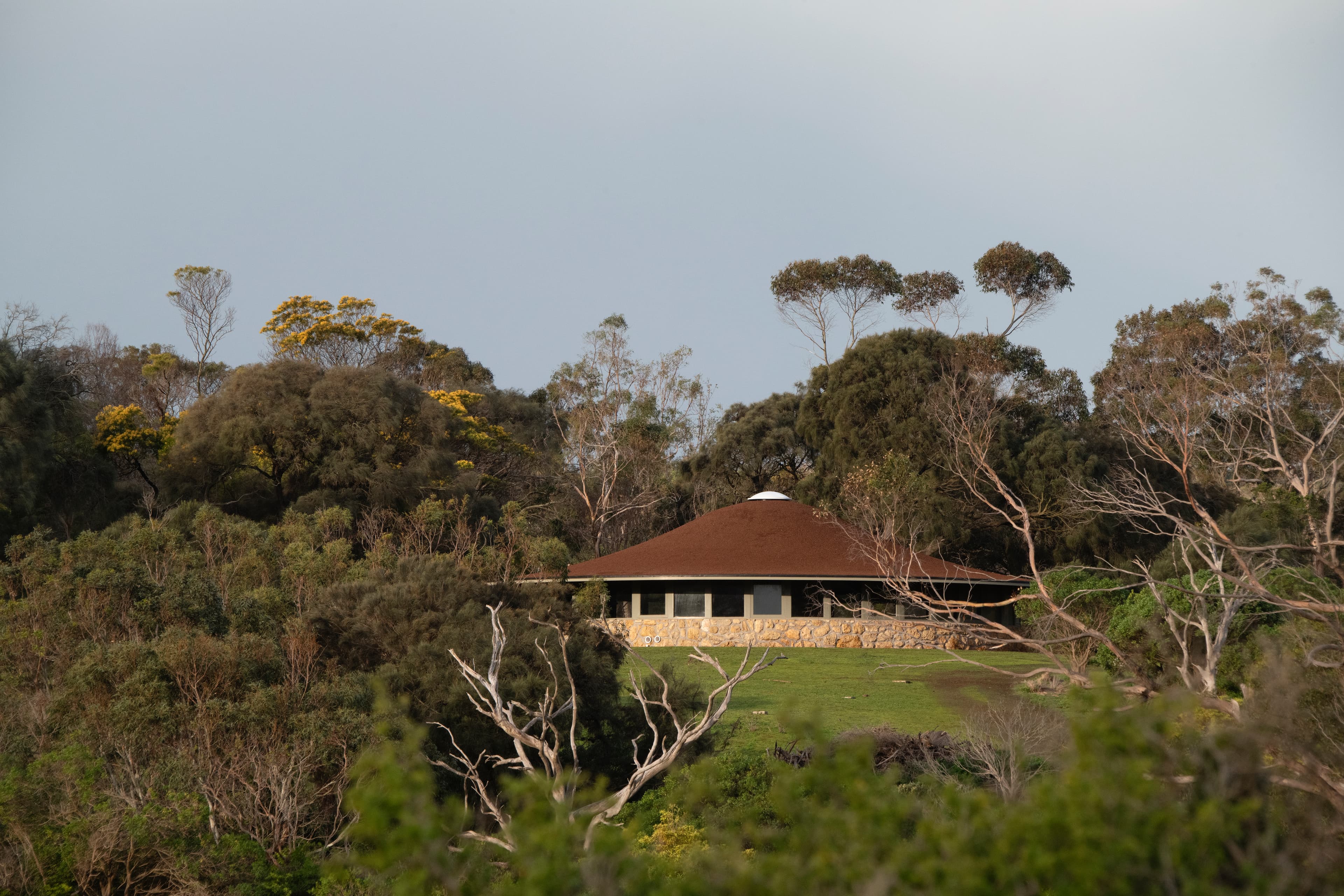
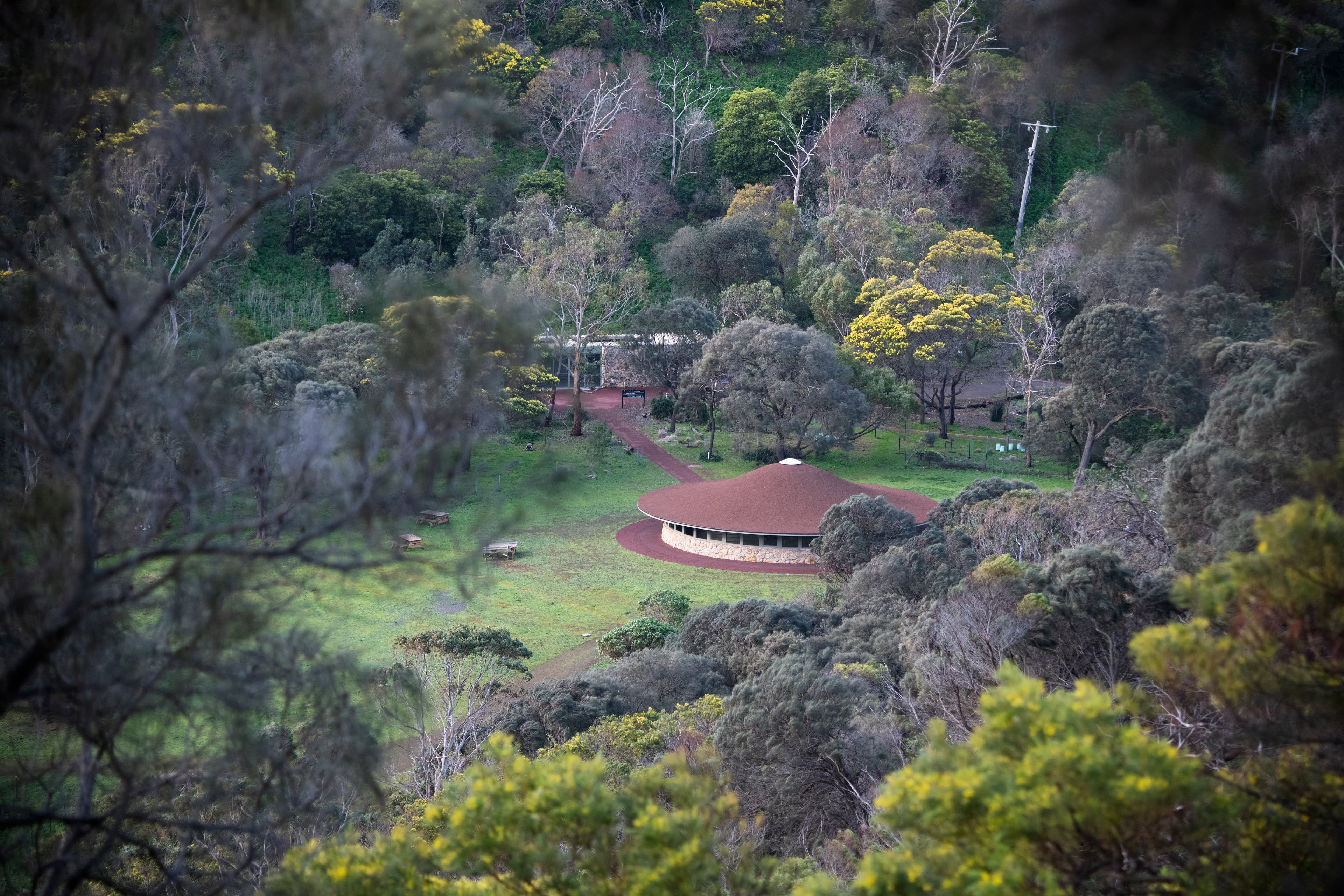
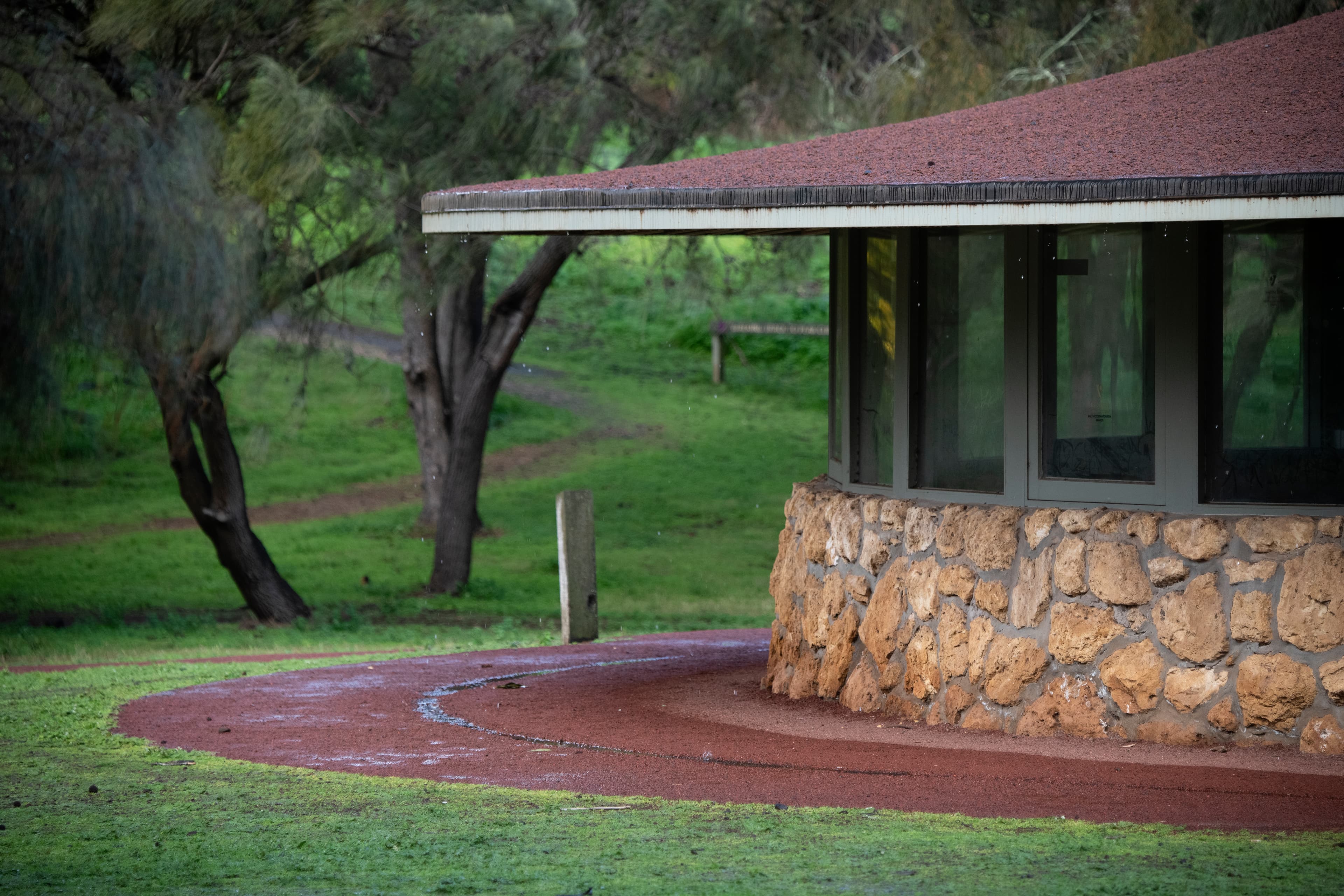
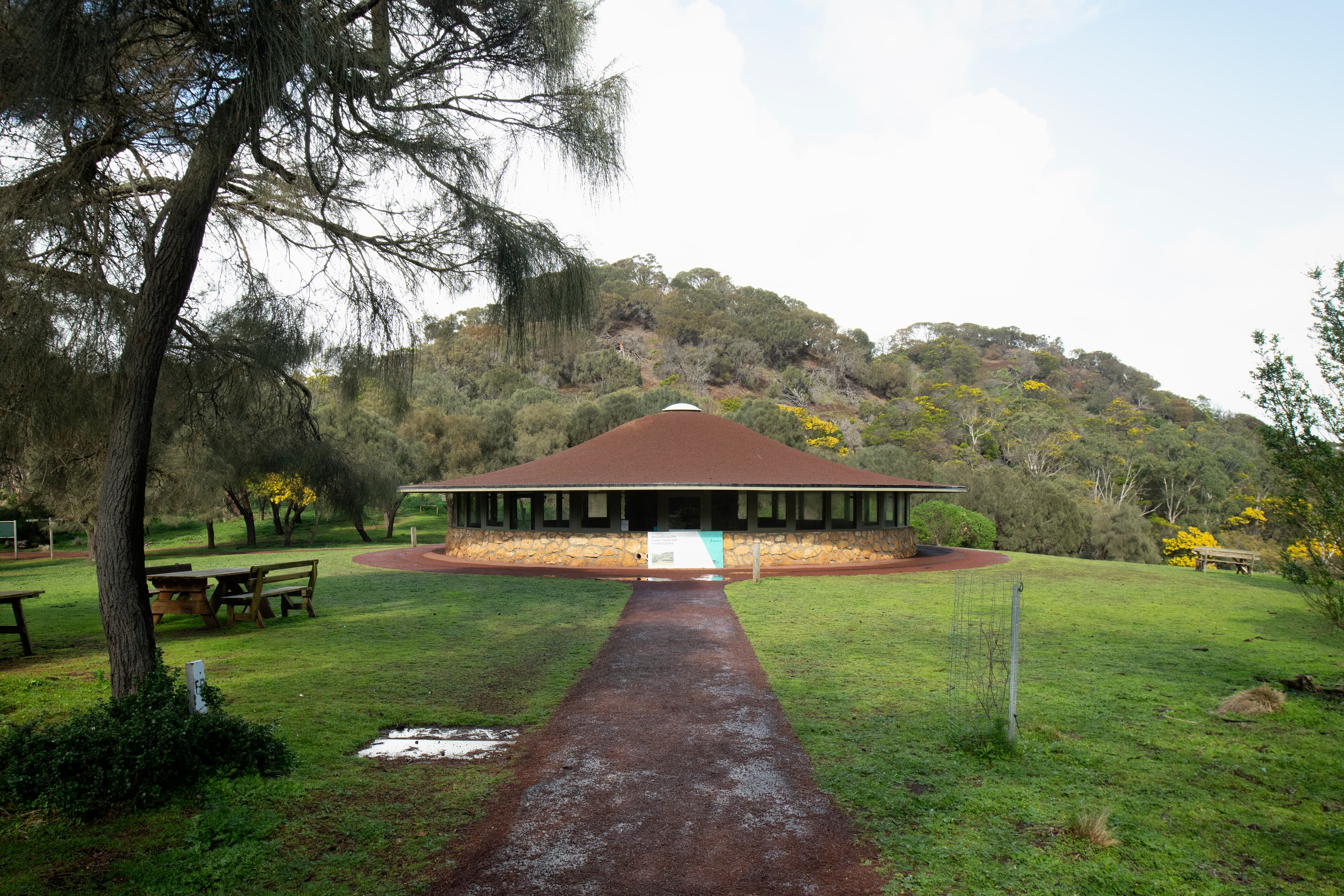
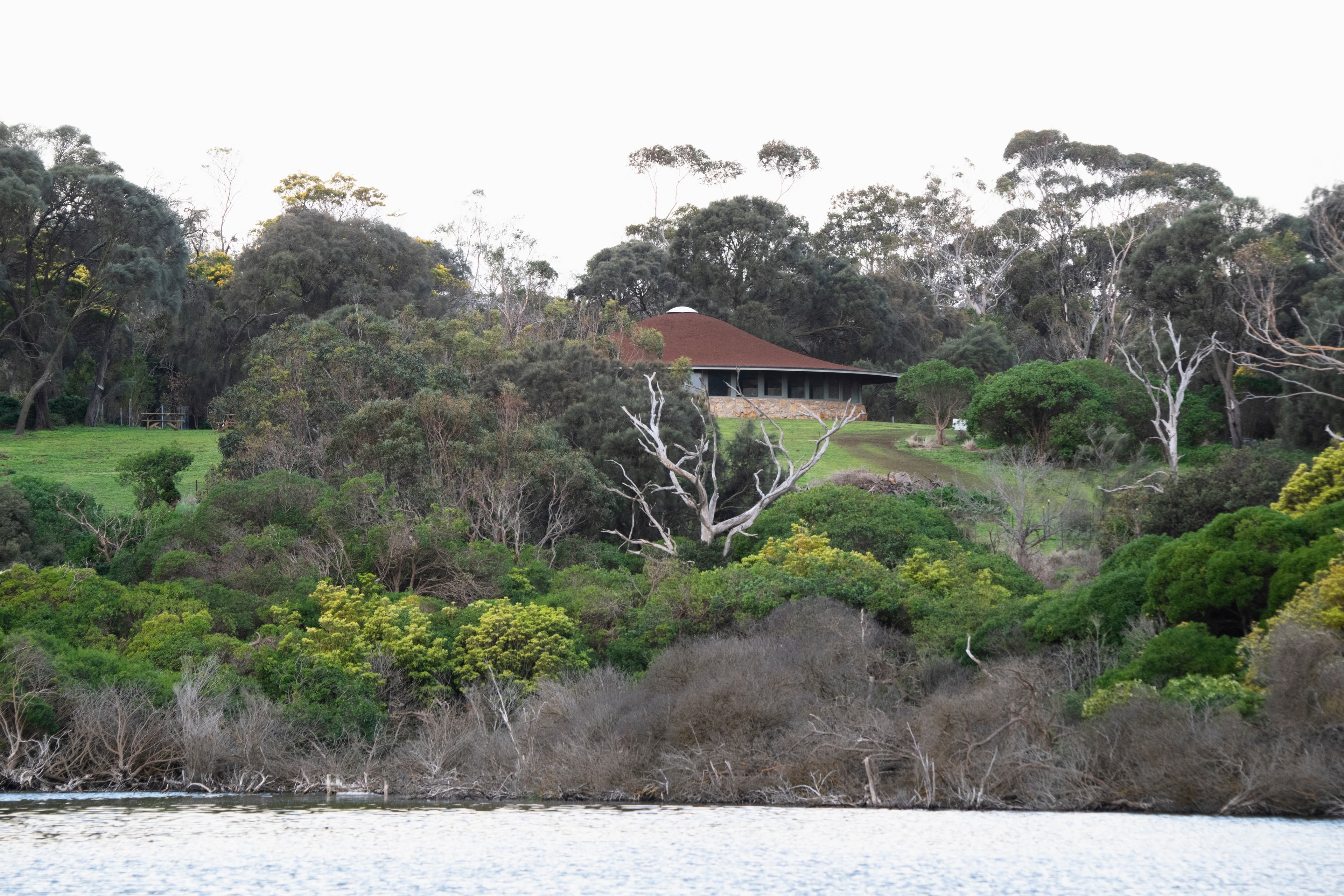
Image 1 of 0H2114 Tower Hill Reserve, Hin Lim Photography
Do you have any favourite facts about the place? Is there something surprising you have found out through your work?
"When we undertook paint analysis of the Visitor Centre to identify the earliest coating on the external timberwork, we made an interesting discovery. The paint sampling was showing a decking stain as the earliest coating which did not align with Robin Boyd’s specification, which nominated white paint. We later found a site instruction in the archives, written by Robin Boyd during construction to instruct the change – it seems like he changed his mind during construction just like we do!
Another special discovery happened during our Walk on Country, when EMAC shared a story about how the Maar peoples eat smoked eel, something that is unique to their clan and may have been due to early cultural exchange with Chinese people. Being of Chinese background myself, I found this story really spoke to our shared humanity, that we are all connected in some way."
If you could personify Tower Hill Wildlife Reserve, what words would you use?
"Spectacular, spiritual, sanctuary."
Your project put a strong emphasis on sustainability. How does environmental sustainability overlap with heritage conservation in a place like Tower Hill?
"Heritage conservation and sustainability are naturally aligned.
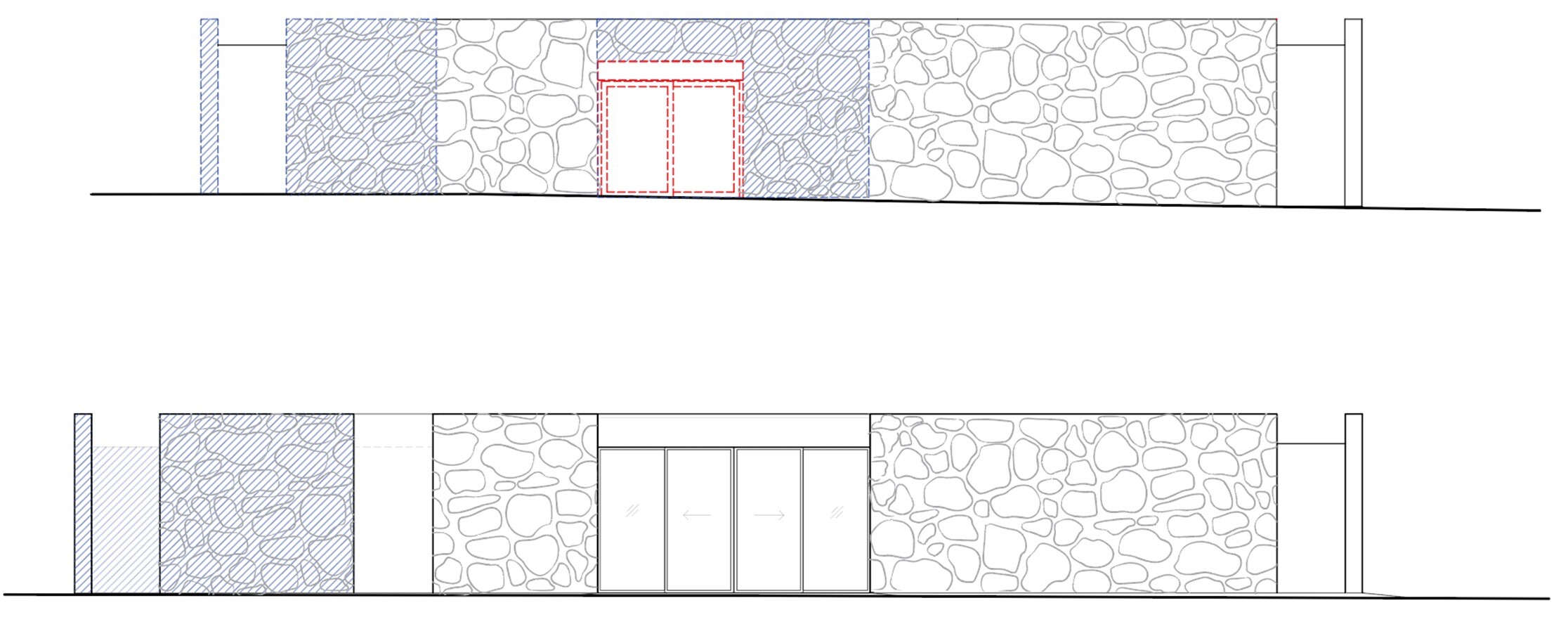
Stone buildings were built to last. We calculated that the embodied energy of the Amenities Block structure encompassed 77% of the building’s total, making it a strong case for reuse on environmental grounds.
In addition, with the right interventions, we can make existing buildings ‘work really hard’ to serve the needs of the future. The existing building was not quite big enough to house the programme required by EMAC, however through a sleight of hand, we extended the western side of by the building by two metres to provide crucial additional space, then consolidated our planning and used every millimetre. We also upgraded the building fabric with insulation and double-glazed windows to provide comfort. The result is that we kept the building and its stories and reduced our impact by avoiding the need to build another building."
For visitors who may not know the site’s history, how does your work help tell the story of Tower Hill in a clear and engaging way?
"As one of few publicly accessible Robin Boyd buildings, we hope our careful process of conservation provides people with the opportunity to experience and learn about Robin Boyd firsthand. In addition, together with the adapted Amenities Block, these refurbished buildings now provide an important base for hosting Learning on Country programmes and exhibitions for sharing the stories of Tower Hill with all visitors."
What do you hope people take away from visiting Tower Hill after these conservation works, not just about the site, but about heritage more broadly?
"By adapting both the Visitor Centre and the Amenities Block, we ensure these buildings remain relevant and central to future use, rather than treating them as static relics beside new development. Upholding the continuum of living heritage is what truly matters."
You might also like
Stay up-to-date with the latest decisions, events and news
